
Organic Food
Organic food isn’t just a trend; it’s a conscious shift toward healthier living and sustainable choices. On Smarteryouu.com, I review organic products through real‑world testing — focusing on taste, quality, price, and authenticity. Each review helps you make smarter decisions about what goes on your plate, whether it’s fresh produce, pantry staples, or eco‑friendly snacks. My goal is to simplify organic eating by sharing honest insights, practical comparisons, and wellness benefits that fit everyday life. This blog is built for readers who value transparency, sustainability, and genuine experience over marketing hype.
ORGANIC FOOD
4/25/20267 min read
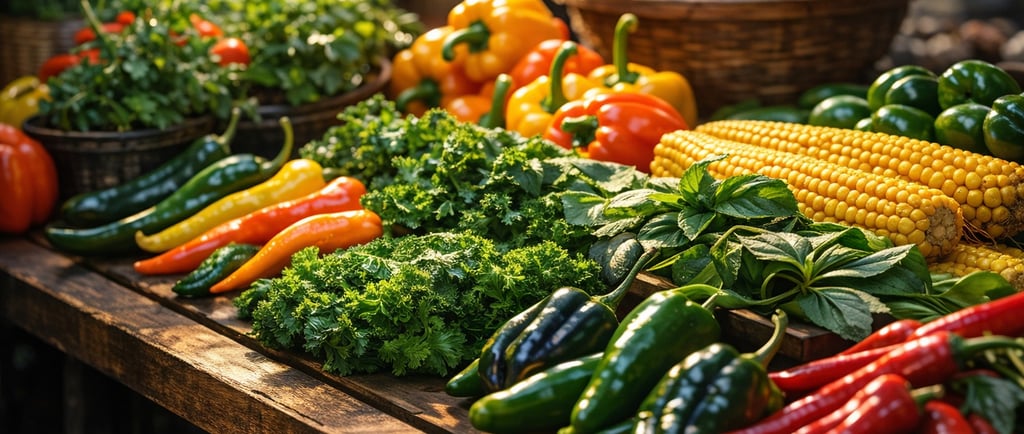
Smarter Organic Living: A Genuine Choice at a Time
I’m establishing a platform for authentic conversations about real food — not influencers selling an ideal. My method is simple: I will explore organic products firsthand, cook with them, serve them to my family, and share what genuinely deserves your investment. Not all items labeled "organic" are exceptional, and not every conventional product is of lesser quality, I intend to clear up the misunderstandings. I will evaluate both local and online organic options, transparently comparing prices, and sharing recipes that don’t require gourmet skills. Why? Because what you eat carries more significance than the device you possess. Organic food when chosen wisely results in fewer pesticides on your plate, improved nutrients in your meals, and a direct commitment to your family’s long-term health. There’s no need to overhaul your kitchen in one go. Start with the dirty dozen the fruits and vegetables that have the highest pesticide residues and switch those out first. Small, intentional changes add up. That’s the foundational idea behind SmarterU: make one smart choice today, and let it evolve.
Essential Kitchen Tools for Organic Cooking at Home
The Right Tools Make Organic Cooking Enjoyable
Cooking with whole, organic ingredients is fundamentally different from assembling processed foods. You're working with fresh produce that needs washing, peeling, and chopping. You're making sauces from scratch instead of pouring from a jar. You're storing fresh food properly so it doesn't go bad in three days.
The right tools make all of this faster, easier, and more enjoyable. The wrong tools, or no tools, make it frustrating enough that you'll give up and order takeout. Here are the kitchen essentials I genuinely recommend for anyone cooking with organic, whole-food ingredients.
Prep and Cooking Essentials
High-Speed Blender
A high-speed blender handles smoothies, soups, sauces, nut butters, dressings, and more. When you're cooking with whole ingredients, you'll use a blender far more than you expect. The difference between a cheap blender and a quality high-speed model is significant: smooth results, faster processing, and the ability to handle tough ingredients like frozen fruit, raw nuts, and fibrous greens.
What to look for: 1,000+ watts, BPA-free pitcher, multiple speed settings, self-cleaning function.
Quality Chef's Knife (8-inch)
A sharp, well-balanced chef's knife is the single most important tool in any kitchen. Organic cooking involves a lot of chopping: vegetables, herbs, fruits, proteins, and a dull knife makes every prep session slower and more frustrating (and ironically, more dangerous). Invest in one good knife and maintain it, rather than buying a cheap block set. [Affiliate Link: 8-Inch Chef's Knife on Amazon]
What to look for: High-carbon stainless steel, comfortable grip, balanced weight, easy to sharpen.Cast Iron Skillet
Cast iron is the original non-toxic, non-stick cookware. A well-seasoned cast iron skillet sears meat beautifully, roasts vegetables perfectly, bakes cornbread, and goes from stovetop to oven seamlessly. It lasts generations with basic care: wash, dry, and occasionally re-season with a thin layer of oil. [Affiliate Link: Pre-Seasoned Cast Iron Skillet on Amazon]
What to look for: Pre-seasoned, 10 or 12-inch, with a helper handle for weight management.
Wooden Cutting Boards
Wood cutting boards are naturally antimicrobial, gentle on knife edges, and far more sustainable than plastic alternatives. Have at least two (one for produce and one for proteins) to avoid cross-contamination. Look for hardwoods like maple, walnut, or acacia. [Affiliate Link: Large Wooden Cutting Board on Amazon]
Steamer Basket
Steaming is one of the healthiest cooking methods. It preserves nutrients better than boiling and requires zero added fat. A simple stainless steel steamer basket fits inside any pot and handles vegetables, fish, dumplings, and more. [Affiliate Link: Stainless Steel Steamer Basket on Amazon]
Mandoline Slicer
When you need uniform, paper-thin slices of vegetables (for salads, gratins, or homemade chips), a mandoline slicer is invaluable. It produces results you simply can't match with a knife. Always use the hand guard. These are exceptionally sharp.
Salad Spinner
Organic produce should always be washed thoroughly, and wet lettuce makes soggy salads. A salad spinner washes and dries greens in seconds. It's one of those tools that seems unnecessary until you use it. Then you wonder how you lived without it.
Storage and Preservation
Glass Storage Containers
Ditch the plastic. Glass storage containers don't stain, don't absorb odors, don't leach chemicals into your food, and go directly from fridge to microwave to dishwasher. A set of 5–10 in various sizes covers meal prep, leftovers, and pantry storage.
Herb Keeper
Fresh herbs are expensive, and they wilt in the fridge within days. An herb keeper (a jar with a water reservoir) extends the life of fresh herbs by a week or more. It's a small investment that dramatically reduces food waste.
Mason Jars
Mason jars are endlessly useful: dry pantry storage (grains, beans, nuts, spices), overnight oats, homemade salad dressings, smoothies on the go, meal prep portions. Buy a variety of sizes (8 oz, 16 oz, 32 oz) and use them for everything.
Reusable Produce Bags
Mesh reusable produce bags replace the single-use plastic bags at the grocery store. Use them for shopping, then keep produce in them in the fridge. They allow airflow, which actually keeps some produce fresh longer than sealed plastic.
Safety and Precision
Food Thermometer
An instant-read food thermometer takes the guesswork out of cooking proteins. No more cutting into chicken to check if it's done. It's a $15 tool that prevents both overcooked (dry) and undercooked (unsafe) meat.
A Note on Non-Toxic Cookware
If you're investing in organic ingredients, it's worth thinking about what you're cooking them in. Traditional non-stick coatings (PTFE/Teflon) can release harmful fumes at high temperatures, and PFAS chemicals (used in many non-stick coatings) are a growing health concern.
Safer alternatives include:
Cast iron: naturally non-stick when seasoned, lasts forever.
Stainless steel: durable, non-reactive, excellent for searing and deglazing.
Ceramic-coated: PTFE-free non-stick alternative, though the coating wears out after 1–3 years.
Carbon steel: similar to cast iron but lighter, used by professional chefs worldwide.
How to Start an Organic Pantry: A Complete Beginner's Guide
You Don't Have to Replace Everything at Once
Here's the biggest mistake people make when transitioning to organic: they try to do it overnight. They go to a specialty store, replace every item in their pantry with the organic version, spend three times their normal grocery budget, and feel overwhelmed. Two weeks later, they're back to their old habits because it felt unsustainable.
A better approach? Transition gradually. Prioritize the items where organic matters most, build your pantry staples over time, and learn which labels actually mean something vs. which are just marketing. This guide will walk you through the smart way to start.
Start with the "Dirty Dozen" Approach
Not all produce needs to be organic. The Environmental Working Group (EWG) publishes an annual "Dirty Dozen" list, the 12 fruits and vegetables with the highest pesticide residues when grown conventionally. These are the items where buying organic makes the biggest difference:
Common Dirty Dozen items typically include: strawberries, spinach, kale, peaches, pears, nectarines, apples, grapes, bell peppers, cherries, blueberries, and green beans. (Check the current year's list for updates.)
Conversely, the "Clean Fifteen" are produce items with the lowest pesticide residues (avocados, sweet corn, pineapple, onions, papaya, and others. For these, conventional is generally fine, saving you money where organic offers less benefit.
Money-Saving Tip
Buy organic for the Dirty Dozen and conventional for the Clean Fifteen. This single strategy gives you most of the pesticide-reduction benefit at a fraction of the cost of going 100% organic.
Building Your Basic Organic Pantry
Once you've got your produce strategy sorted, start stocking these pantry staples in organic versions. Replace each item as you run out of the conventional version. No need to throw away what you already have.
Grains and Pasta
Brown rice, white rice, or jasmine rice
Rolled oats or steel-cut oats
Quinoa
Whole wheat pasta or alternative grain pasta
Organic grains are widely available and often only slightly more expensive than conventional, especially when bought in bulk.
Legumes
Dried or canned black beans, chickpeas, lentils, kidney beans
Organic canned beans are convenient and shelf-stable for years
Oils and Vinegars
Extra virgin olive oil (for dressings and medium-heat cooking)
Coconut oil or avocado oil (for high-heat cooking)
Apple cider vinegar, balsamic vinegar
Oils are a high priority for organic because pesticide residues can concentrate during extraction.
Spices and Seasonings
Sea salt, black pepper
Garlic powder, onion powder, cumin, paprika, turmeric, oregano, cinnamon
Conventional spices can be treated with chemicals during processing. Organic spices avoid this. Buy small quantities and replace as needed. Spices lose potency over time regardless.
Canned and Jarred Goods
Canned diced tomatoes, tomato paste, tomato sauce
Canned coconut milk
Organic broth (vegetable, chicken, or bone broth)
Snacks and Staples
Nut butters (peanut, almond)
Raw nuts and seeds (almonds, walnuts, chia seeds, flaxseeds)
Honey or maple syrup
Dark chocolate (because life should include chocolate)
Budget Tips for Eating Organic
Buy in bulk. Organic grains, beans, rice, oats, nuts, and seeds are significantly cheaper in bulk bins or bulk bags than in small packages.
Shop seasonally. Organic produce in season is cheaper and fresher. Strawberries in June cost half what they do in December.
Compare store brands. Many major grocery chains now offer their own organic lines at 20–30% less than premium organic brands, with identical certifications.
Frozen organic produce is underrated. Frozen organic fruits and vegetables are flash-frozen at peak freshness, are often cheaper than fresh, and last months in your freezer with zero waste.
Prioritize based on impact. If you can't afford to go fully organic, focus your organic dollars on the items that matter most: Dirty Dozen produce, dairy, eggs, and oils.
Storage Tips for Keeping Organic Produce Fresh
Organic produce typically doesn't have preservative coatings, so it can spoil faster than conventional produce. Here's how to maximize freshness:
Store herbs in water (like a bouquet) in the fridge, or use an herb keeper. [Affiliate Link: Fresh Herb Keeper on Amazon]
Keep berries unwashed until you're ready to eat them. Moisture accelerates mold. Store in a single layer if possible.
Use glass containers for cut produce. They seal better than plastic and don't absorb odors. [Affiliate Link: Glass Storage Containers on Amazon]
Separate ethylene producers (bananas, apples, avocados) from ethylene-sensitive produce (leafy greens, berries, broccoli). Ethylene gas speeds up ripening and spoilage.
Freeze what you won't use in time. Chop and freeze organic vegetables, fruits, and herbs before they go bad. You'll thank yourself on a busy weeknight.
Simple Starter Meals Using Pantry Staples
Once your organic pantry is stocked, here are five easy meals you can make with just pantry staples and minimal fresh ingredients:
One-pot rice and beans: rice, canned black beans, canned tomatoes, cumin, garlic. Done in 30 minutes.
Oatmeal bowls: rolled oats, honey or maple syrup, topped with nuts and whatever fruit you have. Five minutes.
Pasta with homemade tomato sauce: whole wheat pasta, canned tomatoes, olive oil, garlic, oregano, basil. Twenty minutes.
Lentil soup: dried lentils, organic broth, carrots, onion, cumin, turmeric. Simmered for 30 minutes.
Smoothie bowls: frozen organic fruit, a splash of coconut milk, topped with chia seeds and nut butter. Three minutes in a blender.
Starting an organic pantry is a transition, not a transformation. You don't need to overhaul your kitchen in a single shopping trip. Use the Dirty Dozen list to prioritize your produce, replace pantry staples gradually as they run out, learn to read labels so you know what you're actually buying, and use smart storage to minimize waste. Eating organic is a marathon, not a sprint. Make it sustainable for your budget and your lifestyle, and it'll stick for the long haul.
Contact
Get in touch for questions or collaborations.
Founder : A Chandra
Phone : +1-647-916-5573
Email: contact@smarteryouu.com
© 2026 Smarteryouu. All rights reserved. Some images on this site are AI-generated for illustrative purposes