
Building Your Personal Home Gym: A Comprehensive Guide
Discover how to create a home gym with smart equipment choices, efficient setup ideas, and simple workout routines that help you stay consistent at home.
HOME EXCERCISING
5/3/20262 min read
Why Create a Home Gym?
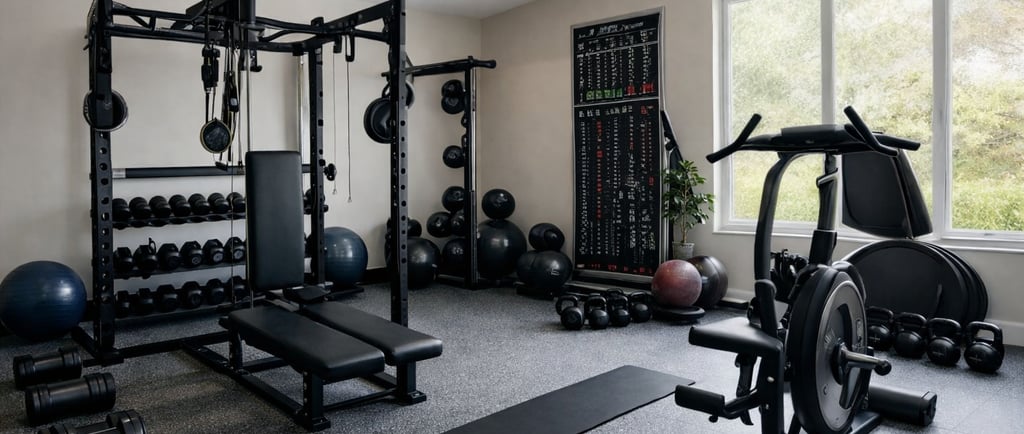
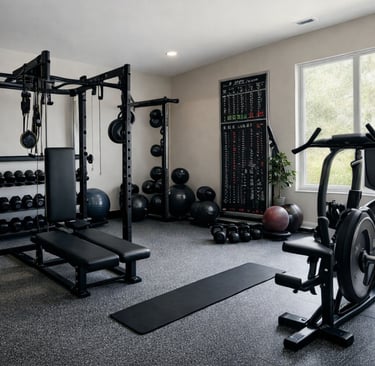
In recent years, the trend of constructing a home gym has dramatically increased. This movement enables fitness enthusiasts to work out comfortably within their living spaces, eliminating the expenses associated with gym memberships. With careful planning, virtually anyone can create an effective workout environment that aligns with their space availability and budget.
Selecting the Right Equipment
Choosing the appropriate equipment is essential when establishing your home gym. Your fitness objectives will significantly influence your selections. Begin by opting for versatile pieces that accommodate a variety of workouts. Here are some recommendations:
Dumbbells: These are ideal for strength training and can be easily adjusted in weight as your strength progresses.
Resistance Bands: These tools are fantastic for both strength training and rehabilitation, offering varying resistance levels that cater to different fitness levels.
Yoga Mats: Perfect for enhancing flexibility and core workouts, yoga mats provide comfort during various floor exercises.
Optimal Setup Tips
Creating an efficient home gym involves more than merely placing equipment in a room. Consider the following key points when setting up your gym:
Determine Your Space: Identify where you can allocate space for your gym. Whether it’s a corner in a room or an entire basement, having a dedicated area is vital for maintaining motivation.
Maximize Your Layout: Arrange equipment strategically to facilitate smooth workout flows. Place frequently used gear close to your workout area while storing less utilized items out of the way.
Ensure Good Lighting: Natural light is preferable, but if unavailable, opt for bright, warm LEDs to create a welcoming atmosphere.
Sound Considerations: Incorporating music can greatly enhance your motivation. Position your speakers or sound system in areas that allow optimal sound distribution without interfering with your workout space.
Workout Guidance and Routine Planning
With your gym equipped and set up, the next step is to establish a workout routine. A consistent routine not only keeps you accountable but also ensures continual progress. Here are some suggestions:
Schedule Regular Workouts: Create designated workout times in your calendar—just as you would with a gym membership—to build a fitness habit.
Set Clear Goals: Establish specific, measurable fitness goals such as enhancing strength, endurance, or flexibility to effectively monitor your progress.
Incorporate Variety: To prevent workout monotony, merge different types of exercises like cardio, strength training, and flexibility workouts to keep your routine engaging.
In conclusion, building a home gym that fits your unique space and budget is not only attainable but can also serve as a rewarding endeavor. By making informed equipment choices, carefully planning your setup, and committing to a reliable workout routine, you can reap the numerous benefits of training at home without incurring the financial burdens of a gym membership.
© 2026 Smarteryouu.com. All rights reserved. Some images are royalty‑free or AI‑generated. All written content, reviews, and recommendations are original and protected under copyright law.