
A Beginner's Guide to Starting a Backyard Garden
Start your first backyard garden with this simple, beginner‑friendly guide. Learn how to choose the right spot, prepare your soil, pick easy plants, and gather essential gardening tools for a successful outdoor garden. Whether you're growing vegetables, herbs, or flowers, this step‑by‑step guide helps you build a healthy, thriving garden with confidence. Perfect for new gardeners, homeowners, and anyone looking to create a beautiful outdoor space.
OUTDOOR & GARDEN
5/17/20262 min read
Choosing the Right Spot for Your Garden
Starting a backyard garden is a rewarding endeavor that can enhance your outdoor space and provide fresh produce. The first step in this journey is selecting the optimal location. Look for an area that receives 6-8 hours of sunlight daily, ensuring that your plants get the light they need to thrive. Additionally, the spot should have good drainage to avoid waterlogging, and it should offer easy access to water for convenient maintenance. Aim for flat or gently sloping ground; if your yard is predominantly shaded, consider planting varieties that flourish in low-light conditions, such as lettuce or spinach.
Deciding What to Grow
For your first garden, it's advisable to start small and choose plants that align with your climate and gardening experience. This minimizes overwhelm and increases your chances of success. Consider beginner-friendly options like tomatoes, cucumbers, or lettuce for vegetables; basil, mint, and parsley for herbs; and marigolds or sunflowers for flowers. Select plants based on your personal preferences, as growing what you enjoy will keep your motivation high throughout the gardening process.
Preparing Your Soil
Healthy soil is fundamental to successful gardening. Begin by removing any grass, weeds, or rocks in your chosen spot. Loosen the soil to a depth of 6-12 inches, and incorporate compost or organic matter to enrich it. Level the surface after mixing to promote even growth. In cases where your soil is rocky or heavily compacted, consider using raised beds or container gardening as alternatives.
Gathering Essential Tools
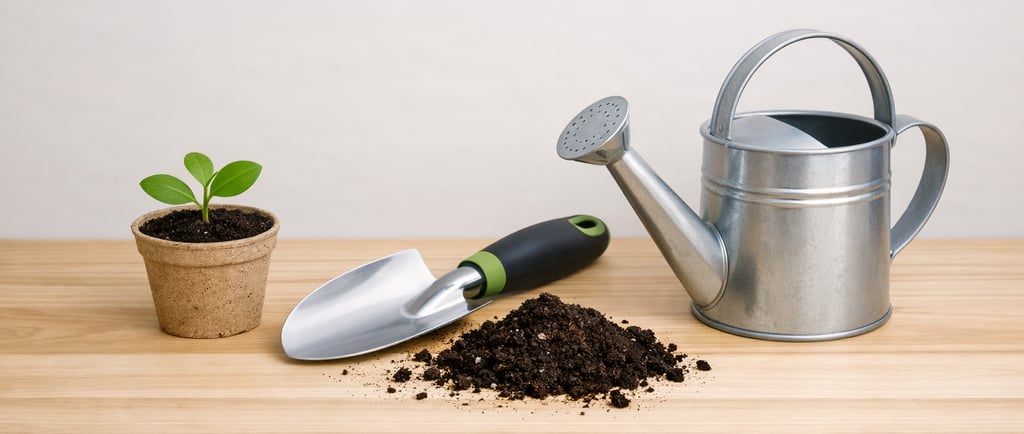
Effective gardening simplifies the process, and you don't need a comprehensive set of tools to get started. As a beginner, focus on obtaining the essentials: garden gloves for protection, a hand trowel for planting, pruning shears for maintenance, and a watering can or hose nozzle for irrigation. A soil scoop, kneeling pad, and a storage tote are also helpful additions that can make your gardening experience more enjoyable.
Starting to Plant
When it comes time to plant, refer to the spacing and depth instructions provided on seed packets or plant tags. A few tips to consider include watering the soil before planting, planting seeds at a depth about two to three times their size, and gently firming the soil around the roots afterward. It’s essential to avoid overcrowding your plants, as each requires adequate space to flourish.
Consistent Watering and Maintenance
Watering is crucial for your plants’ growth. Most plants thrive on deep and consistent watering rather than light, frequent sprinkles. Water early in the morning to reduce evaporation and keep the soil moist without becoming soggy. Applying mulch can help retain moisture effectively. Moreover, consistent maintenance, such as weeding, pest monitoring, and composting, will support a thriving garden.
Final Thoughts
Starting a backyard garden does not necessitate extensive experience; what it requires is patience, sunlight, and a handful of fundamental tools. With meticulous planning, appropriate care, and a commitment to learning, you’ll reward yourself with plentiful herbs, vibrant flowers, and an enjoyable outdoor environment that evolves over time.
© 2026 Smarteryouu.com. All rights reserved. Some images are royalty‑free or AI‑generated. All written content, reviews, and recommendations are original and protected under copyright law.