
5 Smart Home Automations That Save You Time Every Day | 2026 Guide
Discover five simple smart home automations that save time, boost convenience, and make daily routines easier. Beginner‑friendly tips for a smarter, more efficient home.
SMART HOME
5/24/20267 min read
Introduction
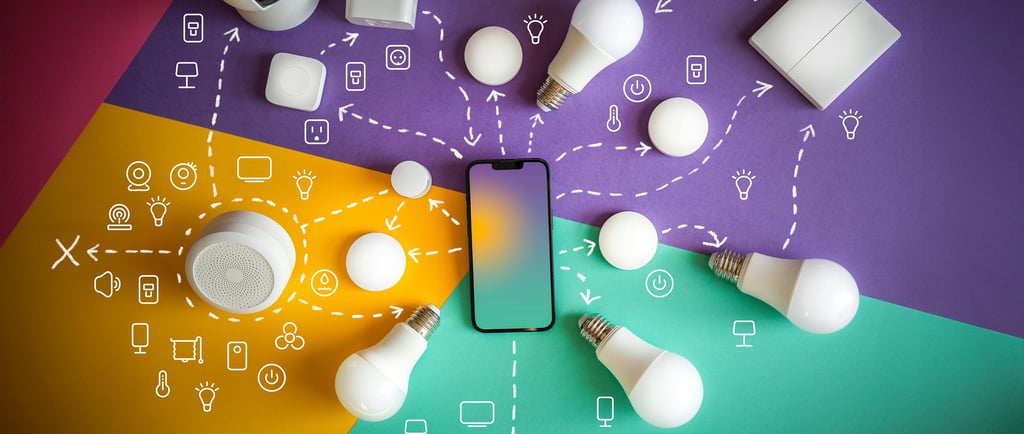
In the rapidly-evolving world of technology, smart home devices have emerged as integral components of modern living. These devices, which encompass everything from smart speakers to intelligent thermostats, work harmoniously through automation to enhance our daily lives. The synergy created by connecting various smart home gadgets allows for a seamless integration of tasks, yielding convenience and efficiency that was previously unimaginable.
Smart home automation involves the use of advanced technologies to remotely manage and monitor home systems and appliances. By utilizing a centralized hub or a smartphone app, users can control lighting, security systems, climate control, and even entertainment systems with ease. This level of connectivity not only saves time but also fosters a more responsive household environment. As a result, the complexities of everyday chores can be simplified, allowing individuals to focus on what truly matters.
Throughout this guide, we will explore specific automations that can significantly improve the efficiency of your daily routine. By examining each automation, readers will discover how to reduce stress and create a more harmonious household. Whether it’s through scheduling tasks, implementing voice commands, or integrating advanced sensors, each example demonstrates the potential for smart technology to transform the way we live.
By understanding and utilizing these automations, individuals can effectively streamline their daily tasks, leading to a more organized and manageable lifestyle. The innovations in smart home technology continue to advance, making it an exciting time to explore the possibilities. Let this guide serve as a roadmap to effective smart home automation practices that save time, enhance convenience, and improve overall quality of life.
Morning Routine Automation
Morning routine automation is a transformative feature of smart home systems, designed to streamline the start of your day. By integrating various devices such as smart lights, thermostats, coffee makers, and speakers, the automation creates a seamless transition from sleep to wakefulness. One common example is the gradual activation of lights, which mimics the natural sunrise. This gentle illumination helps to awaken the body more naturally compared to abrupt artificial lighting, minimizing the shock of waking up and fostering a more positive start to the day.
In addition to lighting, thermostat adjustments can pre-heat or cool your home in preparation for your morning activities. This ensures that the environment is comfortable right as you begin your day, enhancing overall well-being. Meanwhile, home automation systems can also be programmed to prepare your favorite morning beverage, such as coffee, simultaneously alleviating the time and effort needed to complete this task manually.
Moreover, the inclusion of a smart speaker can further elevate the morning automation experience. By initiating a curated playlist or informative morning news briefing, individuals can engage with uplifting music or familiar voices, making the morning feel more structured and enjoyable. The benefits of such automation are not merely practical; they ripple into the psychological realm of daily life.
A structured morning routine, facilitated by smart home automation, can significantly enhance productivity. When the mind is free from the stress of mundane decision-making early in the day, it allows for a clearer focus on more critical tasks ahead. This reduction of decision fatigue translates to increased efficiency, enabling individuals to tackle their work with renewed vigor. Overall, morning routine automation stands as a pivotal element in cultivating a positive day-to-day experience, contributing to an organized and fulfilling lifestyle.
‘Away Mode’ When You Leave Home
'Away Mode' is an innovative feature in smart home automation systems designed to enhance both security and energy efficiency when you are not at home. This automation operates through various triggers, primarily through the disconnection of your smartphone from the home Wi-Fi network or via a simple voice command. When you enable 'Away Mode', the system initiates a series of actions that optimize your home environment and safeguard your property.
One of the most significant advantages of this feature is the automatic adjustment of your home's energy consumption. For instance, during 'Away Mode', the smart thermostat can be set to eco mode, reducing heating or cooling to economical levels while you are away. This not only leads to substantial energy savings but also contributes to a lower utility bill.
Additionally, lights throughout the house can be programmed to turn off automatically, minimizing unnecessary electricity usage. Security is another vital component of 'Away Mode'. As part of this automation, smart locks can engage, ensuring that all doors are securely locked, which provides peace of mind while you are away from your property.
Furthermore, some smart home systems can even integrate security cameras and alarm systems. These features can alert you to any unusual activities, thus enhancing your home security while you are away. Overall, 'Away Mode' combines convenience and safety, making it an essential automation feature in any modern smart home.
Bedtime Wind-Down Routine
A well-structured bedtime wind-down routine is essential for achieving restful sleep and enhancing overall well-being. This routine can be significantly improved through smart home automation, which allows for a seamless transition into the evening hours. By implementing certain automated actions, individuals can create a calming environment that promotes relaxation and prepares the body for sleep.
One key component of this routine involves dimming the lights. Gradually decreasing light levels signal the body that it is time to wind down and prepare it for slumber. Smart bulbs can be programmed to adjust brightness at a predetermined time, creating an inviting and tranquil atmosphere. Similarly, adjusting the thermostat is crucial; a cooler room temperature can help signal to the brain that it is time for rest. Smart thermostats can be set to lower the temperature during the evening, enhancing sleep quality.
Additionally, smart home systems can facilitate the locking of doors and turning off devices, minimizing distractions and ensuring a secure environment. This automation can include locking front doors and windows while automatically turning off televisions and other electronics that might interfere with relaxation. By doing so, homeowners can mitigate nighttime stress and create a cocoon of safety and quiet, which is pivotal for undisturbed sleep.
The importance of a calming nighttime atmosphere cannot be overstated, as it directly influences sleep quality. A peaceful environment, free from disruptive noises and bright lights, fosters a sense of serenity, making it easier to fall asleep and stay asleep throughout the night. In this way, embracing smart home automation for a bedtime wind-down routine not only saves time but significantly enhances one’s sleep experience, proving beneficial for mental and physical health alike.
Motion-Activated Lighting
Motion-activated lighting systems utilize sensors to detect movement within a designated area, ensuring that lights turn on automatically when someone enters a room and turn off shortly after they leave. This technology is especially beneficial in commonly used spaces such as hallways, bathrooms, and even garages. The primary advantage of these systems is their convenience; individuals no longer have to fumble for light switches in the dark.
Furthermore, the automatic on/off functionality of motion-activated lighting makes it an energy-efficient solution, as lights remain off when not in use, significantly reducing electricity consumption. This is particularly advantageous for families with young children who may forget to turn off the lights after exiting a room, leading to unnecessary energy expenses. Moreover, in homes with frequent guests, the ambient lighting provided by these systems creates a warm, welcoming atmosphere while maintaining energy efficiency.
In addition to convenience and energy savings, motion-activated lighting enhances safety. By illuminating dark areas automatically, it reduces the likelihood of accidents, such as trips and falls. This feature is invaluable for elderly family members or guests who may be navigating unfamiliar spaces. The reassurance that lights will activate without manual intervention adds a layer of security for homeowners. As an added bonus, smart motion sensors can be programmed for adjustment based on time of day or light levels, further improving energy savings without sacrificing functionality.
Incorporating motion-activated lighting into a smart home not only saves time but also enhances safety and energy efficiency, making it a worthwhile investment for any household.
Leak Detection + Auto Alerts
In the ever-evolving landscape of smart home technology, leak detection automation stands out for its ability to safeguard one of your most valuable assets: your home. Utilizing advanced smart sensors, this automation system continuously monitors environmental conditions for signs of moisture or water leakage. When a leak is detected, the system immediately sends alerts to homeowners via smartphone notifications, ensuring that you are informed in real-time, regardless of your location.
The significance of receiving timely alerts cannot be overstated. Early notification allows homeowners to take immediate corrective actions, potentially stopping a small leak from escalating into a significant, costly problem. By linking these smart sensors to automatically shut off appliances such as washing machines or dishwashers, you can prevent extensive water damage that could lead to repair bills that spiral into thousands of dollars.
Financially, the benefits of implementing leak detection automation are substantial. Water damage often results in more than just repair costs; it can lead to loss of personal belongings, mold growth, and even increased insurance premiums. By proactively managing water leak risks through automation, homeowners can significantly reduce the likelihood of these unforeseen expenses. Furthermore, many smart leak detection systems are designed to integrate seamlessly with existing home automation frameworks, providing a comprehensive solution that fits within your smart home ecosystem.
Ultimately, investing in leak detection and auto alerts not only provides peace of mind but also enhances the overall efficiency of home management. By preventing damage before it occurs, homeowners stand to save both time and money in the long run, making this automation a worthy consideration for any smart home enthusiast.
Final Thoughts
As we navigate through an increasingly fast-paced world, the role of smart home automations becomes ever more significant. These technologies are designed to streamline various aspects of daily life, ultimately saving time and energy for the homeowners. With the implementation of smart home devices, routine tasks such as adjusting lighting, managing temperature controls, and even monitoring security systems can be automated, allowing for a level of convenience that was previously unattainable.
Beyond mere convenience, smart home automations contribute to enhanced home efficiency. By utilizing smart devices, homeowners can optimize energy consumption, which not only results in reduced utility bills but also promotes a more sustainable lifestyle. For example, smart thermostats can learn user behavior and adjust heating and cooling systems accordingly, while smart lighting can minimize energy use by ensuring that lights are only on when needed. These features underscore the practical benefits that come with automation.
For those eager to embark on their smart home journey, it is advisable to start small. Implementing one or two automated solutions can provide a feel for how these technologies operate and their direct impact on daily routines. As familiarity grows, homeowners can gradually expand their automation systems, integrating more devices based on their specific needs and lifestyle preferences. This approach allows for a tailored smart home experience that can significantly enhance the overall comfort and functionality of living spaces.
In conclusion, embracing smart home automations presents numerous advantages, from simplifying tasks to improving home energy efficiency. By taking small steps, homeowners can discover the transformative effects of these technologies and enjoy a more comfortable, efficient, and modern living environment.
© 2026 Smarteryouu.com. All rights reserved. Some images are royalty‑free or AI‑generated. All written content, reviews, and recommendations are original and protected under copyright law.